
Part Three (3):
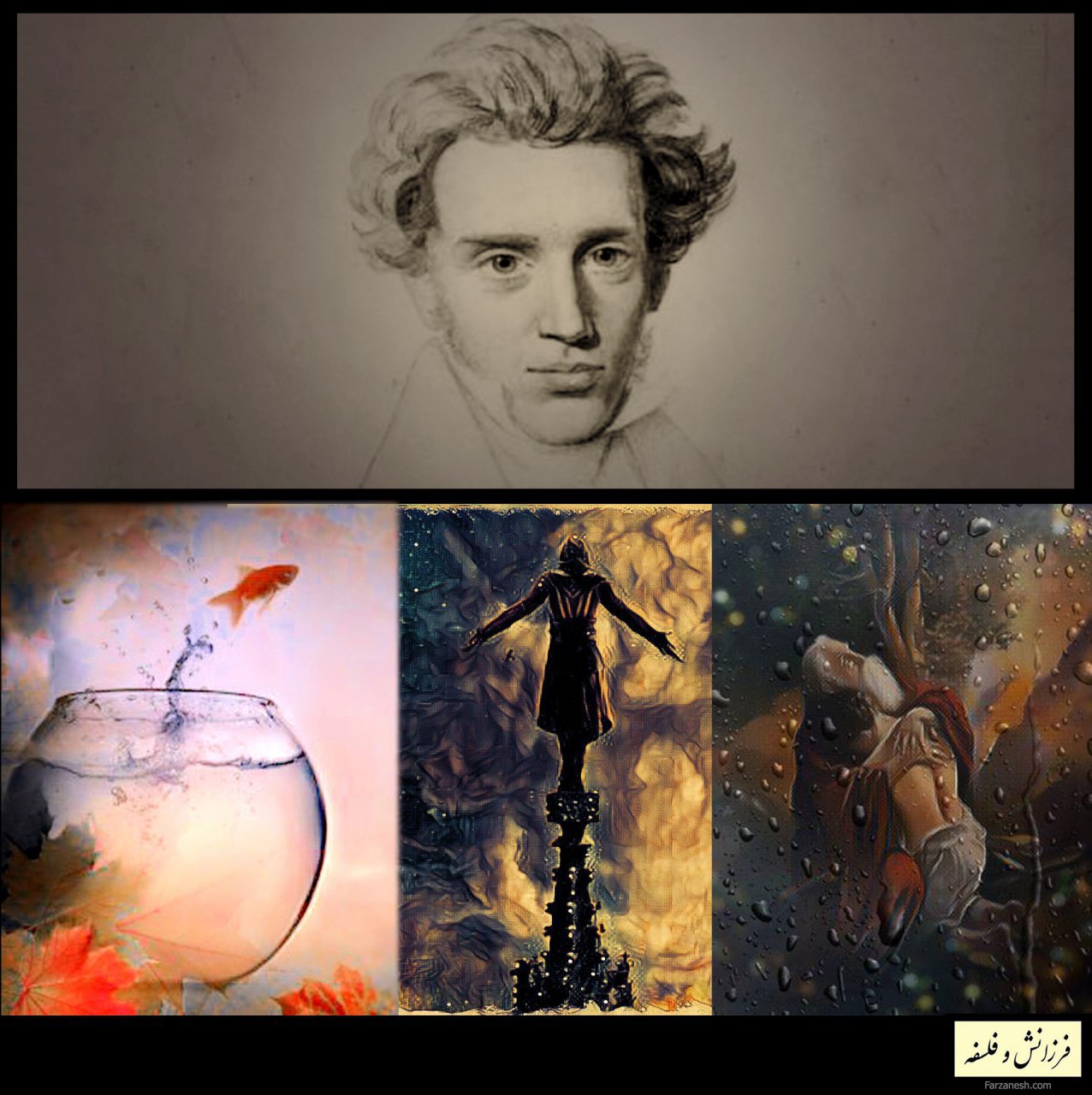
Faith is a leap into the unknown and into darkness, one that may conflict with morality, social traditions and even the outward forms of religious belief. The leap of faith is not the recognition of truth but surrendering oneself to it. In its essence it is irrational and beyond discourse, full of passion and a will that rises from within rather than submitting to something external. The leap of faith overcomes every hesitation and doubt that we experience as rational.
In Fear and trembling Kierkegaard closely examines the story of Abraham and Isaac/Ishmael and interprets it through his philosophy. In Kierkegaard's view, if Abraham took Isaac to the place of sacrifice thinking, “I sacrifice Isaac because this is God's command, I have no alternative, and Isaac is condemned to destruction by this command,” that would make Abraham merely obedient and believing—a knight of infinite resignation—not what Kierkegaard calls the Knight of faith.
For Kierkegaard, the story symbolises the way faith overcomes social morality, religion, rational command and everything that appears right, and how the knight of faith casts himself beyond good and evil. In this story Isaac/Ishmael is Abraham's beloved and long-awaited child. Isaac/Ishmael symbolises the most desired and precious possession in our life. To kill him—to enact child sacrifice—is to perform an act condemned and indefensible before morality, religion and common social tradition. This leap is not only Abraham's leap but Isaac's as well.
From a Kierkegaardian perspective one might read the story in this way: to kill the greatest desire of one's life and cross the boundaries of morality, society, tradition and logic is to leap into the darkest darkness with the faith that everything one kills will be regained through this inexplicable leap. And no one—no one except the person who chooses the leap of faith—will understand the meaning of what is being done.
In Kierkegaard's thought, faith is neither asceticism nor belief. Faith is an irrational leap beyond good and evil, and within this incomprehensible leap into the depths of darkness there is something infinitely personal and beyond discourse, known inwardly only to the person who chooses the leap of faith.
Kierkegaard believed that what our world suffers from is a lack of passion and faith. In his view, true faith gives us individuality, whereas traditional religion and ideology take individuality from us. Kierkegaard and Nietzsche were two very different expressions of a common conviction: one that sees the human being as powerful and singular and wants the human being to stand strong before life's suffering.
Aydin Areta
Comments
Loading…
Leave a comment