
Over the coming months I intend to write about masculine archetypes and their importance in the development of individuation in both men and women.
An archetype is another name for a structure of human experience that is, to a greater or lesser extent, shared among human beings wherever they live and whatever their culture.
Men experience life in particular ways, and understanding those ways not only helps women develop a deeper understanding of male psychology, but also enables them to form a deeper relationship with the masculine dimension of their own being. Understanding masculine archetypes therefore helps not only men but also women to develop their individuation in a more balanced way.
Although the primary audience of the posts I will write in the coming days will be men, particularly younger men who read this page, I believe that women who read these posts can also learn important things about the men in their lives and about the masculine dimensions of their own being—things they may find valuable and applicable in everyday life.
The first subject with which I want to begin this series is the fundamental difference between the psychology of boyhood and mature masculine psychology. One of the most useful books to address this subject is a book referred to here as How to Be a Superman by Goodarov.
This subject matters because our society, perhaps more than at any other time in history, contains men who have not moved beyond the psychological structure of boyhood and have not developed their positive masculine archetypes.
A look at the psychology of an undeveloped masculine structure reveals that:
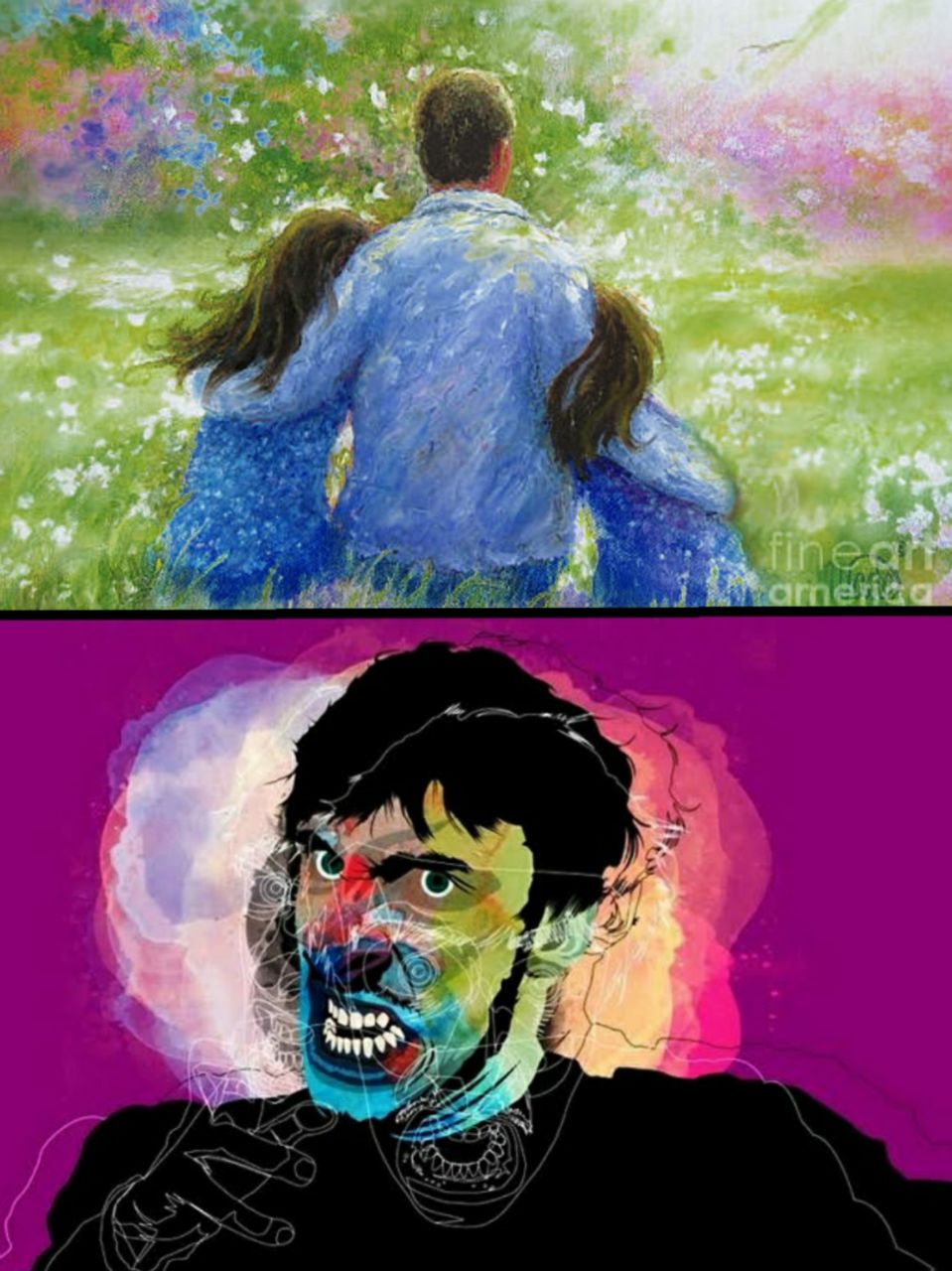
A man who has not reached psychological maturity seeks external approval; avoids suffering and has an uncontrolled tendency toward pleasure; tries to dominate his environment and other people; experiences the success of others as a threat and a defeat; fears failure; sees himself at the centre and remains inattentive to the psychological needs of others; hides fear and insecurity behind a mask of hardness, violence and anger; sees the world and its possibilities as limited, and therefore experiences hostility and competition toward others.
By contrast, a man with sufficient psychological maturity does not seek external approval and trusts the forces within himself; he does not flee from suffering and, if he finds meaning in it, can receive it with open arms; he gains strength from the success of others and helps them along that path; he accepts his fears and continues forward despite insecurity; he neither moves behind himself nor runs ahead of himself, and does not present himself as more than he is; strength can be felt in his character precisely in the absence of harshness and violence; he does not see the world and its possibilities as limited, and his way therefore rests not on hostility and competition but on synergy and shared creation. There is dignity in his conduct without arrogance or egoism.
Men who have not moved beyond the psychology of boyhood and developmental immaturity are, in this account, a root of many major social problems, particularly in traditionally patriarchal societies. For men, entry into mature masculine psychology often occurs through the presence of another man who has himself reached psychological maturity. As such models become less available in society, young men are increasingly possessed by the darker shadows of immature masculine psychology.
Can you remember a model, or models, in your own life who helped you develop positive masculine archetypes within yourself?
Aydin Areta
This series on masculine archetypes will continue ...
Comments
Loading…
Leave a comment