
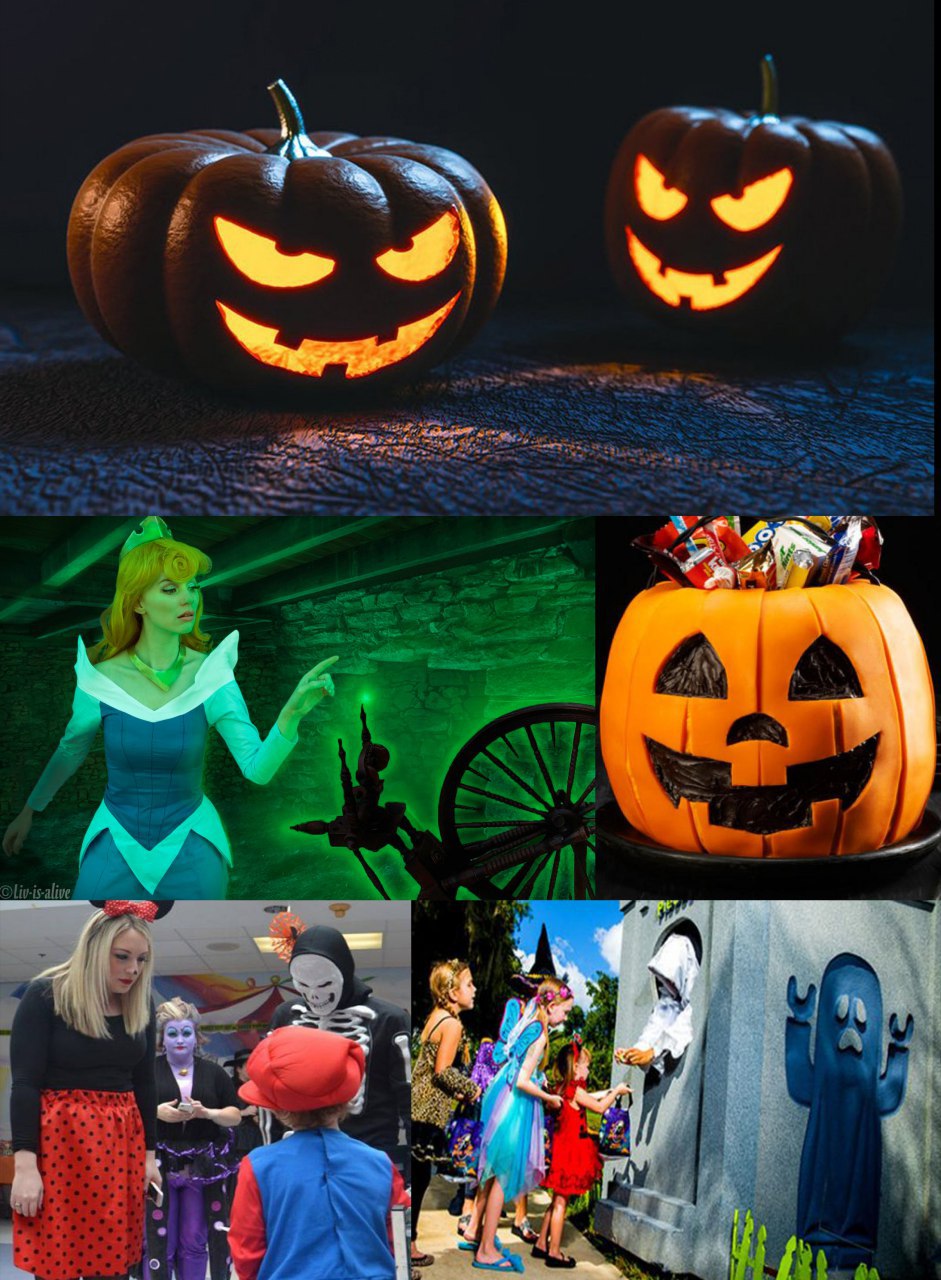
Halloween, our children and the monsters hidden in darkness — Part Two
Entering the world of darkness and fighting monsters is frightening, but the courage required begins with the first night we sleep alone in a dark room away from our parents. As we grow into adulthood, the darkness of the world and the presence of monsters do not simply become distant memories of childish fantasy. Gradually we discover that darkness, cruelty and monsters have a very real and frightening existence in the world.
Imagine a child entering youth believing that all human beings are good and well-intentioned, and that the world is populated only by people resembling kind parents, uncles and aunts. Such a child knows nothing of what human beings can do in broad daylight—things so terrible that the monsters of childhood imagination would themselves flee into the deepest night. Human beings can kill one another, exchange another human being’s organs for pieces of paper, enslave one another, and commit rape, violence and murder. These are not fairy tales in the adult world. Many people who lose psychological balance after encountering the naked cruelty of the world, and who struggle for years with anxiety, depression and nightmares after such encounters, are those who in innocence and naïveté had never imagined the destructive power of the monsters that exist in the world.
There is a difference between tragedy and exposure to something experienced as evil. Human beings can endure the disasters of life and bitter tragedies such as the death of loved ones, natural catastrophes and illness. Our capacity to bear these events is greater than we often imagine. But looking evil in the eye and being wounded by it is a different experience, one from which relatively few emerge with psyche and spirit untouched.
Some time ago I retold the story of Horus, the Egyptian god associated here with attention and vision and depicted as a falcon, and his battle with Set, embodiment of evil and corruption. Set’s violence is expressed in the story through his dismemberment of his brother Osiris, the good king and the blind father of Horus. Horus goes to war against this most dangerous and powerful monster and, although he defeats him, loses an eye in the struggle. If direct battle with evil costs an eye even for a god of vision, attention and courage, we can only ask what such an encounter costs an ordinary human being who does not even know that Sets exist in this world.
The relationship between children and darkness is portrayed beautifully in Sleeping Beauty. As with other archetypal and mythic stories, attending to its deeper psychology can reveal something valuable about the structure of the human psyche.
In the story, the royal parents of Princess Aurora invite the whole city to celebrate her birth except Maleficent, the dark sorceress who embodies evil and darkness and can also assume the form of a black dragon. Symbolically, excluding her can be read as the act of parents trying to protect a child from the darkness of the world by pretending that the dark sorceress does not exist. Everyone is welcome in their house except acknowledgement of the reality of darkness and evil in the world.
The price of not inviting the dark sorceress is severe. She comes to the celebration herself and declares her curse: when Aurora reaches sixteen, touching the spindle of a spinning wheel will send her into an endless sleep. The spinning wheel is a symbol of fate. We can interpret the sorceress’s words in this way: the person who knows nothing of evil may, on reaching adulthood, fall into unconsciousness at the first touch of fate’s sharp edge. Aurora’s endless sleep becomes an image of the destruction of consciousness and a return to unconsciousness. To disappear from the world may mean retreat into drugs, alcohol, anti-anxiety or antidepressant medication, or immersion in harmful relationships while closing one’s eyes to the darkness around us. All can become forms of the endless sleep of awareness: a fall into unconsciousness after contact with the sharpness of fate.
Perhaps, then, we should neither hide monsters from our children nor make them ashamed before us for being afraid of the dark.
Comments
Loading…
Leave a comment