
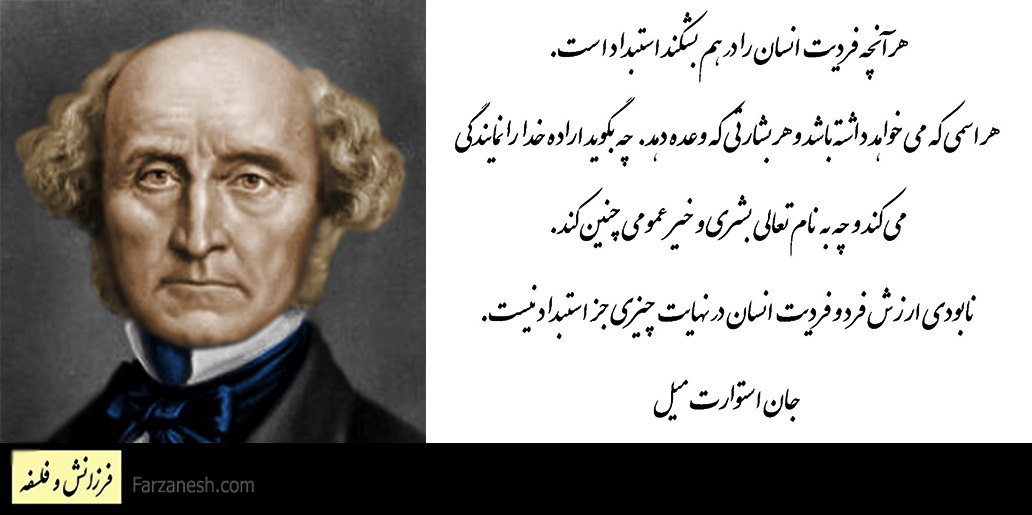
The third instalment of the first part of the series A Genealogy of the Idea of Freedom begins by comparing three meanings of freedom.
1) “Freedom from”: liberation from external restrictions so that we may do what we wish, insofar as this does not harm others or intrude upon their sphere of individual freedom.
2) “Freedom for”: the realisation of a right or an ideal in the social sphere.
3) Psychological or spiritual freedom for the realisation of the self: an inner freedom from anxieties, negative emotions and fears that restrict us from within.
The series also includes a short documentary section examining how the West transformed the idea of “freedom from”—the foundation of classical liberalism—into an ideal that, despite liberalism’s criticism of positive freedom or “freedom for”, itself relied upon a transformative and revolutionary form of positive freedom, and then attempted to export this ideal throughout the world. In the interpretation advanced here, this development under neoliberalism marked, in practice, the end of classical liberalism and the beginning of a version of the transformative and revolutionary freedom that liberalism had earlier presented itself as criticising.
If you have not seen the first two parts of the series and are interested in the subject, I suggest watching Parts One and Two in the channel’s Shared Media section before viewing this instalment.
Comments
Loading…
Leave a comment