
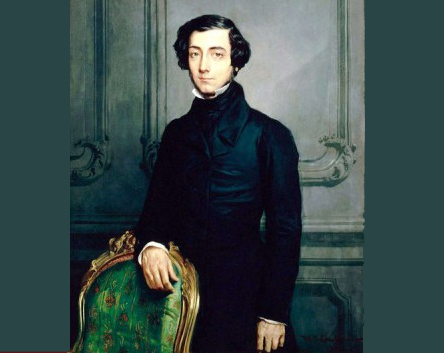
Alexis de Tocqueville remains one of the most prescient political thinkers of the modern era. Writing in the nineteenth century, he identified with remarkable clarity the internal tensions and long-term dangers that liberal democracy carries within itself — dangers that have only become more visible in our own time.
Tocqueville's critique is not the critique of an enemy of democracy. He was, in many ways, its admirer. But admiration did not blind him to the pathologies that democratic culture tends to generate: the tyranny of the majority, the leveling of excellence, the retreat into private life, and above all what he called "soft despotism" — a new form of political domination that does not crush but rather infantilizes its citizens.
In soft despotism, the state does not rule through terror but through comfort. It provides, it regulates, it manages. Citizens, relieved of the burden of genuine self-governance, gradually lose the capacity for it. They become, in Tocqueville's haunting phrase, "a flock of timid and industrious animals, of which government is the shepherd."
This prospective critique — a warning about where democracy tends to go rather than where it is — is what makes Tocqueville so valuable today. He saw that the greatest threat to freedom in democratic societies would not come from tyrants but from the democratic process itself, from the slow erosion of civic virtue and the gradual expansion of administrative power.
Comments
Loading…
Leave a comment