
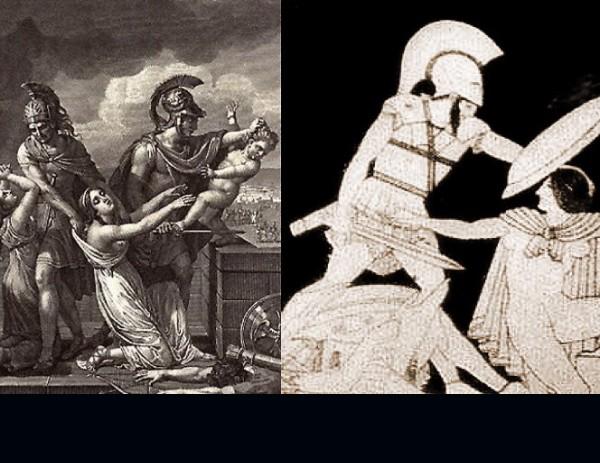
Few episodes in ancient history have been more thoroughly mythologized than the Greco-Persian Wars. The battles of Marathon, Thermopylae, and Salamis have been transformed, through centuries of Western retelling, into a founding myth of Western civilization — the moment when free Greeks heroically repelled the despotic East.
This narrative is not simply incomplete; it is, in important respects, a distortion. It projects onto the ancient world a set of ideological oppositions — freedom versus despotism, West versus East, civilization versus barbarism — that belong to a much later period of European history and serve specific political purposes.
The Achaemenid Persian Empire was by the standards of the ancient world a remarkably tolerant and sophisticated political entity. It governed a vast diversity of peoples, languages, and religions with a degree of administrative flexibility that was genuinely unusual. Cyrus the Great's famous decree allowing the Jews to return to their homeland and rebuild their temple was not an anomaly but an expression of a consistent imperial policy.
The Greek city-states, meanwhile, were not the unified champions of freedom that the myth suggests. Many Greek cities sided with Persia. Athens itself was a slave society in which the majority of the population had no political rights. The "freedom" that the Greeks were defending was the freedom of a small elite.
Rereading these wars without the ideological overlay does not diminish their historical significance. It simply allows us to see them more clearly — as a complex geopolitical conflict between two sophisticated civilizations, neither of which was simply the champion of freedom or the embodiment of despotism.
Comments
Loading…
Leave a comment