
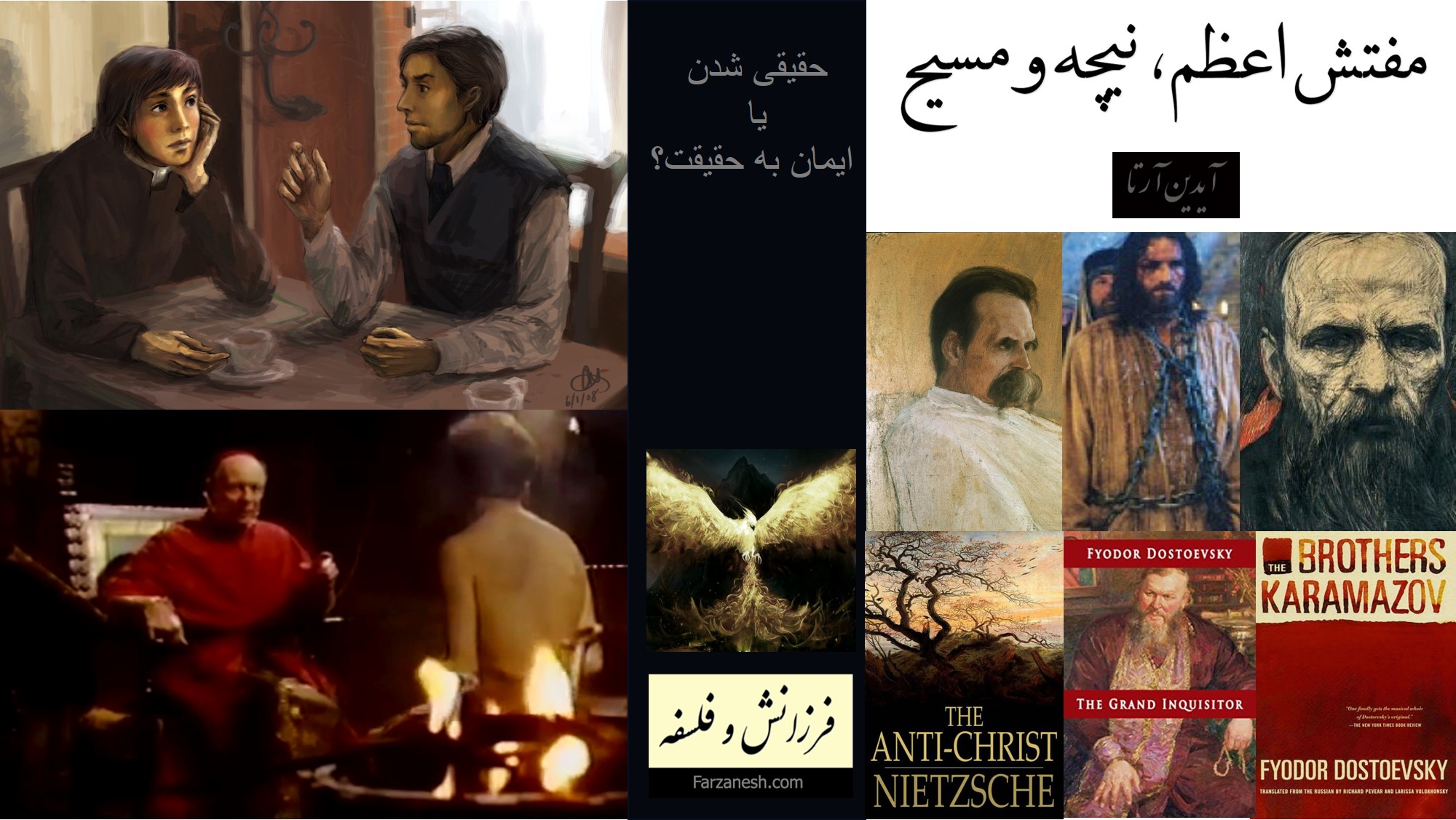
Dostoevsky's parable of the Grand Inquisitor, embedded in The Brothers Karamazov, is one of the most profound and disturbing philosophical texts in all of literature. In it, Christ returns to earth during the Spanish Inquisition and is immediately arrested by the Grand Inquisitor, who tells him, in essence, that his return is unwelcome — that the Church has corrected his work, has given humanity what it actually needs rather than what he offered.
What Christ offered, the Inquisitor argues, was freedom — the terrible, unbearable freedom of genuine moral choice. But human beings, the Inquisitor insists, cannot bear this freedom. They do not want to choose; they want to be told what to do. They do not want the burden of conscience; they want the comfort of authority. And so the Church, in its wisdom, has taken freedom away from them and given them miracle, mystery, and authority instead.
Nietzsche, reading this parable, would have recognized in the Grand Inquisitor a figure he knew well: the priest as the master of the weak, the one who manages the herd by giving them the illusion of meaning while keeping them safely domesticated. But Nietzsche's critique of Christianity goes deeper than the Inquisitor's cynicism — he argues that Christianity itself, in its very structure, is a system for the suppression of genuine human vitality and freedom.
The dialogue between these three figures — Christ, the Inquisitor, and Nietzsche — opens onto some of the deepest questions of human existence: What is the relationship between freedom and meaning? Can human beings bear genuine freedom, or do they always seek to escape from it? And what would it mean to live in a way that honors both the demand for freedom and the need for meaning?
Comments
Loading…
Leave a comment