
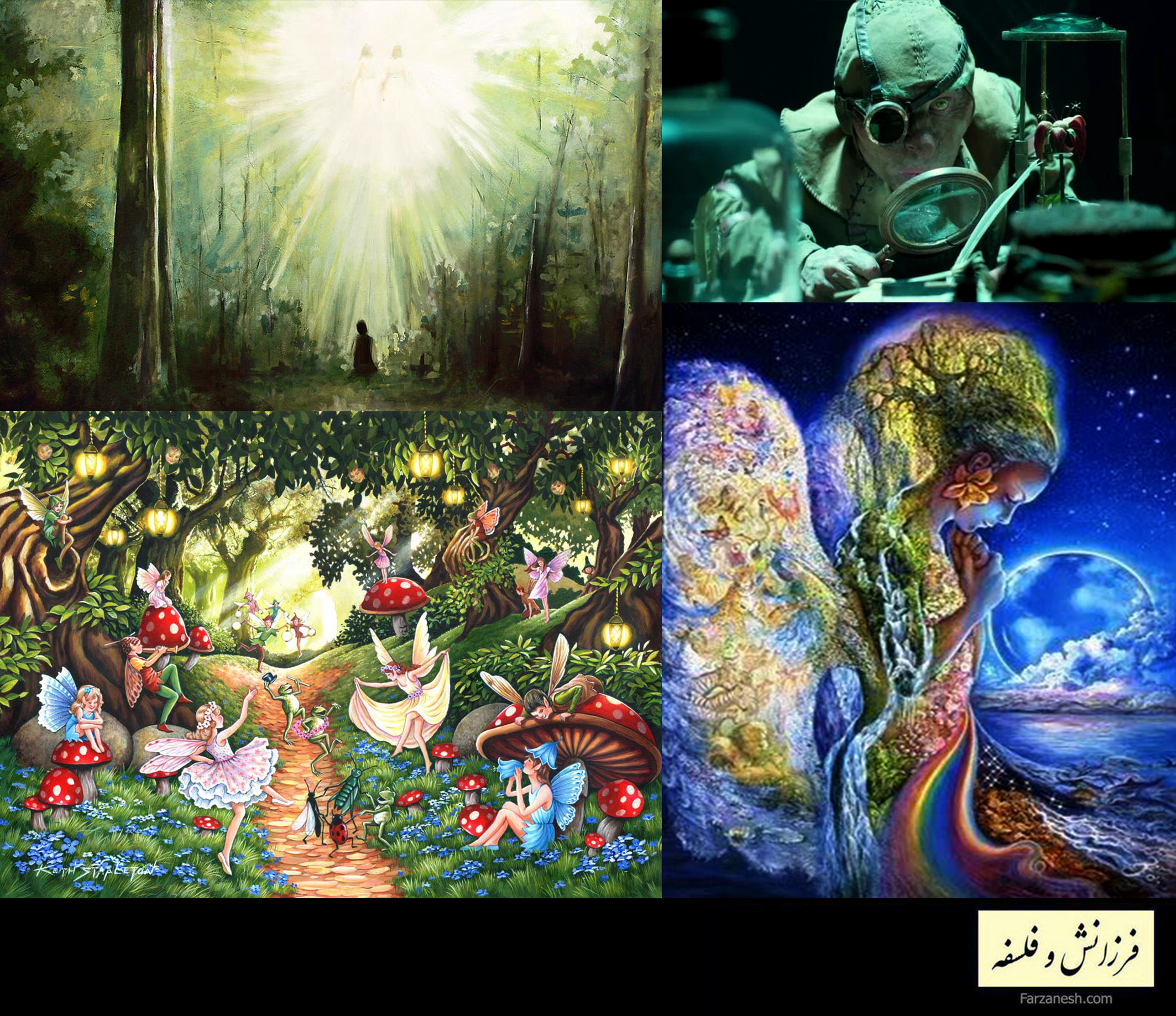
One of the defining experiences of modernity is the experience of desacralization — the withdrawal of the sacred from the world, the loss of the sense that reality has depth, that existence has meaning, that there are things genuinely worthy of reverence and awe. The sociologist Max Weber called this process the "disenchantment of the world," and it is one of the most profound and most consequential transformations in the history of human consciousness.
In a desacralized world, nothing is truly sacred — everything is available for analysis, for use, for exchange. The natural world is a resource to be exploited. Human beings are units of economic production and consumption. Art is a commodity. Religion is a lifestyle choice. Even the most intimate dimensions of human experience — love, birth, death — are managed by professionals and processed through institutional frameworks that strip them of their depth and their mystery.
The question of how to live in such a world — how to maintain a genuine relationship to what is most important, how to resist the flattening of experience that desacralization produces — is one of the most urgent questions of our time. It is a question that cannot be answered by simply returning to pre-modern religious frameworks, as if the disenchantment of the world had not happened. But it is also a question that cannot be answered by simply accepting desacralization as the final truth about reality.
What is needed, I want to suggest, is a new relationship to the sacred — one that does not depend on institutional religion or pre-modern cosmology, but that recovers, in a form appropriate to our own time, the fundamental human capacity for reverence, for awe, for the recognition that reality has depth and that some things are genuinely worthy of our most serious attention and our deepest commitment.
Comments
Loading…
Leave a comment