
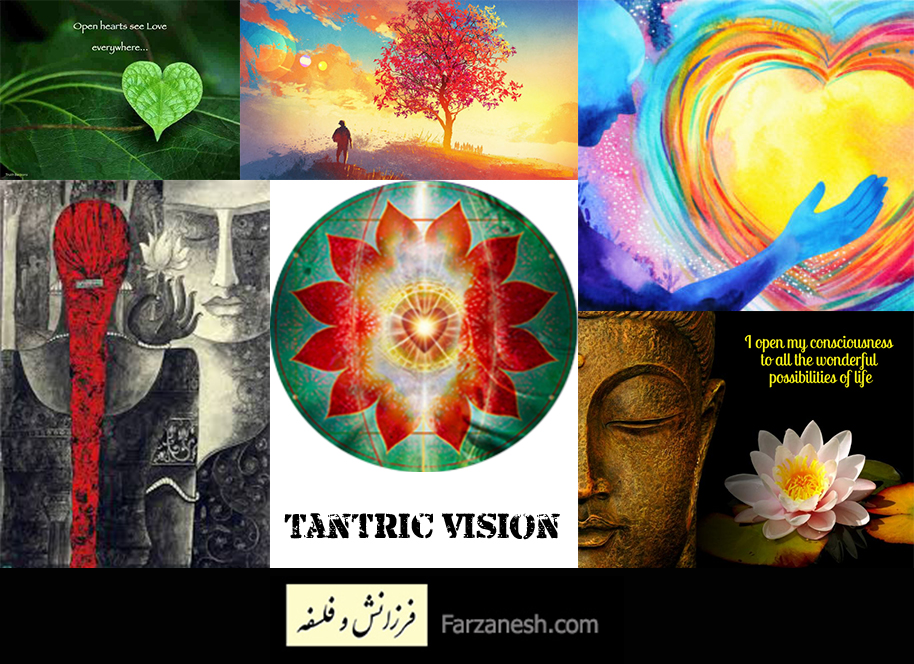
The Tantric tradition — which flourished in India and spread throughout the Buddhist and Hindu worlds — represents one of the most radical and most misunderstood philosophical visions in the history of human thought. At its core, Tantra is a vision of total affirmation: an insistence that reality, in all its dimensions — including the dimensions that conventional religion and conventional morality tend to condemn or suppress — is sacred, is worthy of engagement, is a path to liberation rather than an obstacle to it.
This vision stands in sharp contrast to the dominant tendency of most religious traditions, which tend to divide existence into the sacred and the profane, the pure and the impure, the spiritual and the material. In these traditions, liberation is achieved by transcending the lower dimensions of existence — by overcoming the body, suppressing desire, withdrawing from the world. Tantra says: no. Liberation is achieved not by transcending life but by engaging with it fully, by finding the sacred in the profane, the divine in the material, the path to freedom in the very experiences that conventional religion condemns.
What does this have to do with the Iranian tradition? More than might initially appear. The Iranian philosophical tradition, at its deepest, has always had a strand of thought that resonates with the Tantric vision: the insistence that the material world is not simply a prison from which the soul must escape but a manifestation of divine creativity, a field of sacred engagement, a place where the divine and the human can genuinely meet.
In this first part, I want to explore the basic philosophical vision of Tantra — its understanding of reality, its approach to the body and desire, its vision of liberation — as a resource for thinking about how to live without condemning life.
Comments
Loading…
Leave a comment