
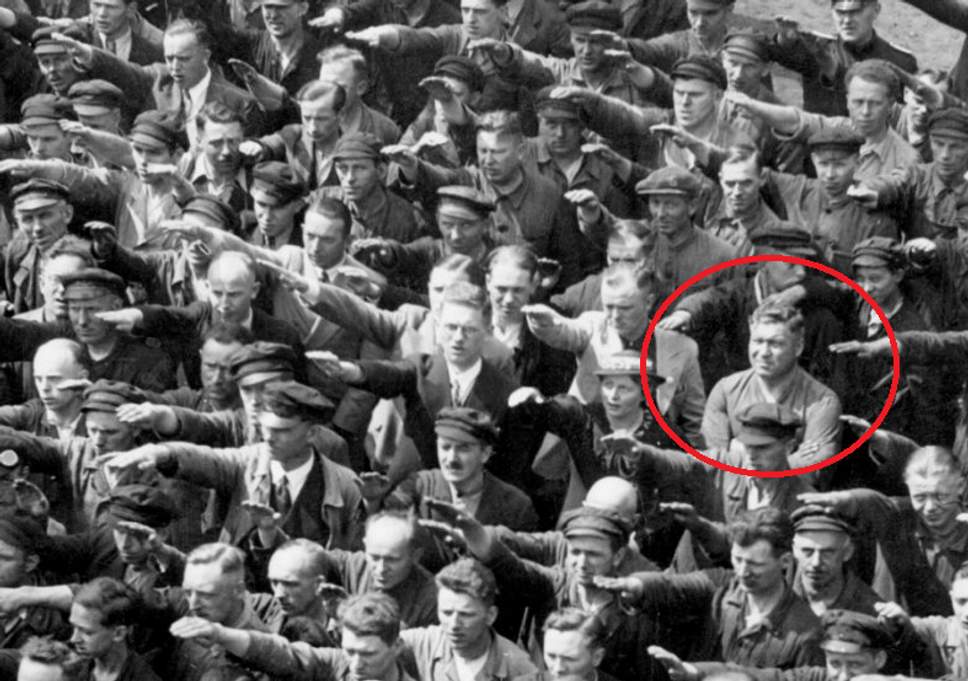
There is a form of moral failure that is more common, and in some ways more insidious, than active wrongdoing: the failure of silence. Every time we witness an injustice and say nothing, every time we see someone being humiliated and look away, every time we know the truth and choose not to speak it — we participate, through our silence, in the wrong that is being done.
This is not a comfortable thought. The temptation to silence is powerful and understandable. Speaking up is risky. It invites conflict, hostility, social exclusion. It requires us to take a stand, to make ourselves vulnerable, to accept the consequences of our convictions. Silence, by contrast, is safe, comfortable, and socially acceptable.
But the safety of silence is an illusion. Every time we are silent in the face of injustice, we pay a price — not only in the external world, where the injustice continues unchallenged, but in our own inner world, where the capacity for genuine moral response gradually atrophies. The person who has learned to be silent in the face of small injustices will find it increasingly difficult to speak in the face of large ones.
The philosopher Edmund Burke is often credited with the observation that "all that is necessary for the triumph of evil is that good men do nothing." Whether or not he actually said this, the insight is profound and enduring. Evil does not triumph primarily through the active efforts of evil people; it triumphs through the passive acquiescence of good people who have learned to be silent.
Comments
Loading…
Leave a comment